golf stag do ideas

Need some golf stag do ideas? Here are some tips from golfing experts.

When you're planning a stag do for a golf fanatic, organising a golf-themed stag do is the way to go. What better way to celebrate and congratulate the groom-to-be than with a fun activity surrounded by fantastic scenery?

A golf-themed stag do is a much more interesting alternative to the classic ‘boozathon’ stag. You can still enjoy a crisp pint at the clubhouse after the game, too. Sound good? Here are some fun ideas to help you plan a golf stag do.

Golf-Themed Hen Do Ideas

For many, planning the bachelorette party is one of the highlights of planning a wedding! As much fun as it is, though, planning a hen do can also be pretty stressful. It's meant to be one of the most enjoyable and memorable events of your life, so of course there's a lot of pressure to make sure everything is perfect!

If you're an avid golfer or are planning a hen do for a golf-mad girlfriend, keep reading. We've put together a few ideas for golf-themed hen activities, plus some top tips for planning the perfect golf-themed hen do.

Golf balls are relatively inexpensive compared to other golf gear, and losing the odd ball every now and again is par for the course.

That said, if you're losing multiple golf balls every time you play, the cost of buying new balls can really start to add up! So it's worth retrieving those lost balls if you can – but with the long grass of the rough and the fact that most golf balls look more or less the same, how are you supposed to find yours?

golf ball comparison

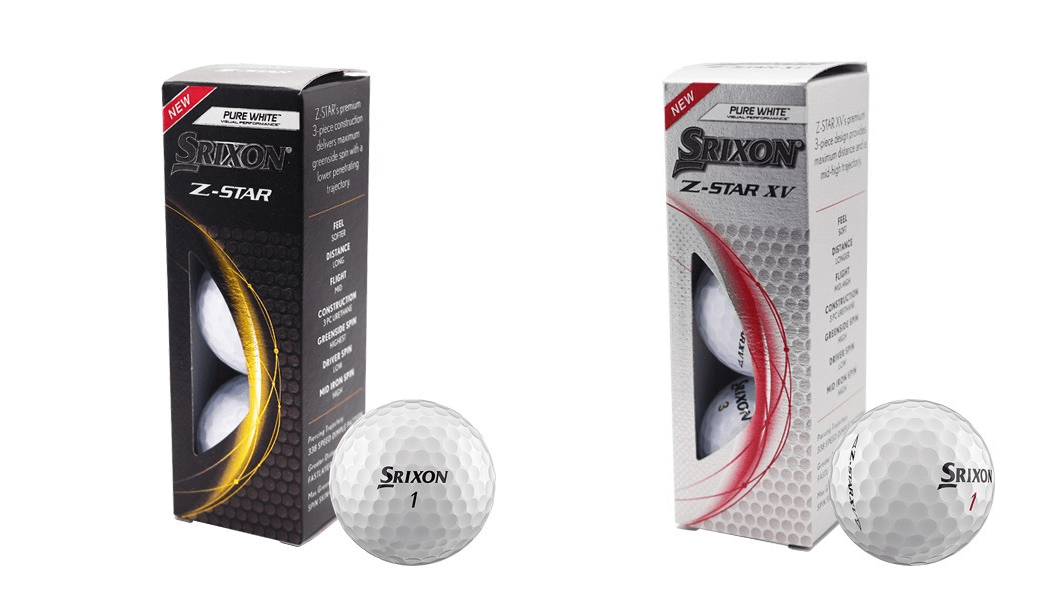
In this blog, we compare two popular Srixon golf balls: the Z-STAR and the Z-STAR XV.

At first glance, the Z-STAR and the Z-STAR XV have a lot in common. Both are premium balls designed to deliver tour-level performance, boasting a reformulated FastLayer DG Core and Spin Skin+ coating.

However, each ball has been designed with several unique characteristics that make them better suited to different skill levels and playing styles. Let’s get into it.

Urethane vs Surlyn Golf Balls: What’s the Right Choice for Me?

When participating in any sport, it’s always important to ensure you have the right equipment for the task at hand. Whether you’re a seasoned pro or complete novice, when playing golf, it’s important to ensure you’re playing with the right balls.

One primary factor to consider when selecting your golf balls is what material the balls are made out of. There are two primary materials used in the creation of golf balls, either urethane or Surlyn (ionomer) – but which is right for you?

Do Better Golf Balls Make a Difference?

There’s an old saying that goes ‘a bad workman always blames his tools’. If that’s true, then it could definitely be said that a bad golfer blames their balls!

While it is true that success isn’t made or broken by the quality of your equipment - buying the most expensive golf balls on the market won’t make you Tiger Woods – it’s still important to make sure you have the best equipment for you.

Golf ball construction can greatly impact your game. An important factor to consider when choosing golf balls is the number of layers/pieces. Golf balls can be made of up to 6 layers, although your average ball will likely feature just 2 or 3 layers.

Keep reading to find out the difference between 2 piece and 3 piece golf balls to help you choose the right ball for you.


What is a 2 piece golf ball?

2 piece golf balls have a large core or mantle with an outer layer that tends to be made from materials such as urethane or Surlyn. The cover material will determine how hard or soft the ball feels - and in turn, how much spin you can get on the ball.

Urethane has a softer feel and offers more spin control, whereas Surlyn tends to be harder and reduces spin.

A two-piece Surlyn covered ball is great for beginners and high handicappers who haven't yet mastered the skills needed to control spin and shape. These balls are also significantly cheaper, making them a wise choice if you're not yet ready to invest a lot of money in high-end golf equipment.

A 2-piece urethane ball will suit mid-level handicappers who want more control over spin, in particular with iron shots, but don’t want to spend more money on 3-layer balls.


What is a 3 piece golf ball?

3 piece golf balls comprise 3 layers: a cover, a mantle (middle layer) and a core. These balls are good for mid-low handicappers who want good spin control, prefer a softer feel around the greens, and don’t lose balls often.

Using a 3 piece ball means sacrificing distance, as it’s softer and tends to have less compression. This ball will travel less distance through the air than a 2-piece golf ball.


What’s the difference between 2 piece and 3 piece golf balls?

Here are some pros and cons of 2 piece and 3 piece golf balls:

2 piece golf balls tend to be more durable than 3 piece balls, and therefore offer better value for money.

A 3 piece golf ball is a more complex ball in its construction, and thus more expensive. It is also softer and doesn’t have the same level of durability as a 2 piece ball.

A common misconception is that 3, 4 or 5 piece balls have greater distance, but this is not true. A 2 piece ball travels further through the air when hit dead straight, but offers less control over spin/shape and feels hard to hit.

The additional layer in 3 piece balls allows for a softer feel, more spin and improved control.

Here at gimmeballs, you can filter our balls by number of layers to make it super easy for you to find the right balls for you. Simply click the link below and use the Product Filter for a more concise search.

Shop Golf Balls

what do the numbers on golf balls mean

Numbers on golf balls are usually either there to help players identify the ball, to demonstrate compression-rating, or to show dimple pattern. But how do you tell which is which? This simple guide will explain the different meanings behind golf ball numbers, and how to know what your golf ball is trying to tell you.

These numbers can be very important. In fact, the number printed on your golf ball might even impact your game!


What are the numbers on golf balls?

More often than not, if there is a number printed on your golf ball, it’ll be either a one-digit number, a two-digit number or a three-digit number. Let’s take a closer look at what these numbers mean.


One-Digit Numbers

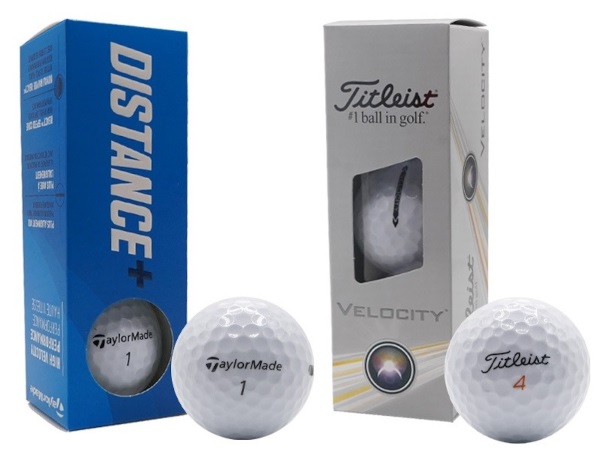
If there’s just one, single-digit number printed on your golf ball, then the number itself doesn't have a meaning. It’s just there to make it easier to identify on the course. For example, if everyone you’re playing with is using the same golf balls as you, the different numbers printed on the balls will help you to determine which ball belongs to which player. Your Pro V1s might say 2, when your competitors' balls all say 3!

Golf ball identification is pretty important. In match play, hitting the wrong ball will incur a loss of hole penalty. In stroke play, hitting someone else’s ball results in a two-stroke penalty.

Sometimes numbers aren't enough, so to make them even easier to identify, golfers will mark or personalise their balls. Purchasing personalised golf balls makes golf ball identification simple, without having to get right up close to read a tiny number.

So, if you find yourself squinting to find your ball on the course, you might want to consider purchasing some personalised golf balls.


Two-Digit Numbers

But what's the meaning of Two-digit numbers on golf balls? These numbers have a very specific meaning: they’re typically a representation of the compression rating.

Though you won't often see two-digit number on golf balls any more, you should stay aware of this, as compression ratings are very important for golfing. Compression ratings can range from low to high and different ratings are better suited to different skill levels. Golf ball compression, put simply, refers to how ‘soft’ the ball is. Low compression equals a ‘soft’ feel and high compression equals a ‘hard’ feel.

As a general rule, balls with a lower compression rating are best suited to players with a high handicap and high compression balls are better suited to more advanced players with lower handicaps. For example, low compression balls require less energy transfer from the club head to travel further. Beginner golfers and players with high handicaps often have a slower swing speed, so a low compression ball will enable them to exert the energy of their swing into optimal distance.

Therefore, the two-digit number printed on your ball has a pretty important meaning! Keep an eye out for them next time you purchase golf balls - it could have a big impact on your game.


Three-Digit Numbers

What do three-digit numbers on golf balls mean? These are the number of dimples on your golf ball!

All golf balls feature unique dimple patterns that can affect the ball’s performance in different ways. A three-digit number on a golf ball tends to signify how many dimples that ball has.

The number of dimples and the dimple pattern will vary depending on the manufacturer. Generally, a golf ball will have between 300 and 500 dimples. So, you’ll likely notice a number in this range printed on your ball.


Personalised Golf Balls

Golf ball numbers not enough for you? Personalise your golf balls. Here at gimmeballs, we stock a wide range of high-quality golf balls from top brands like Srixon, TaylorMade and Titleist. Simply choose a brand, choose a ball, then add a custom image, text or alignment line to help you identify your ball with ease or to help line up your putts.

Shop Personalised Golf Balls